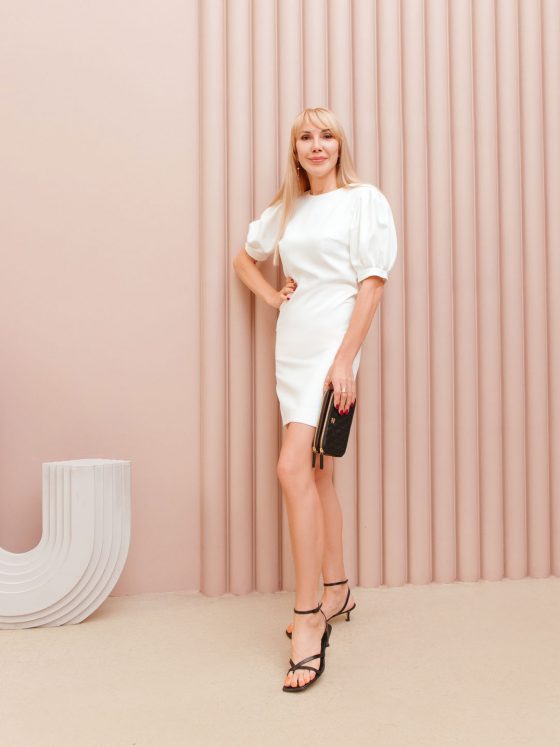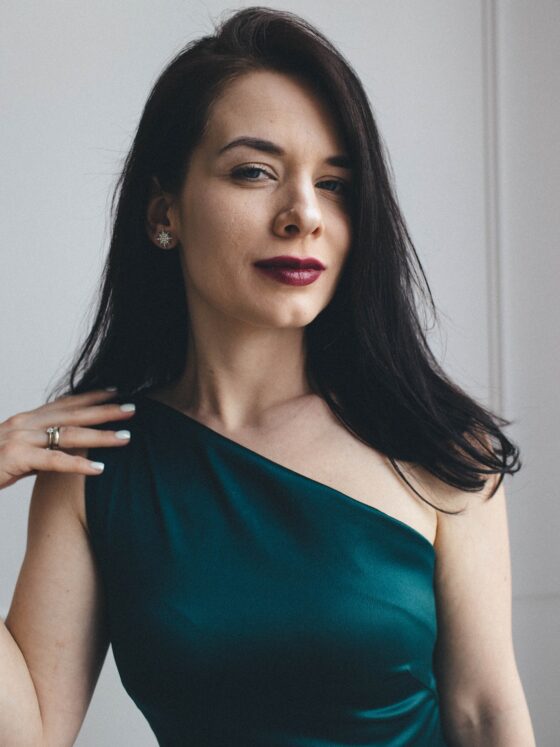
Maria Platonova is one of those rare figures who shape their own reality at the intersection of art and entrepreneurship. A curator, digital art researcher, founder of the LAHEBE cosmetics brand, and a Forbes cover heroine, she sets a new standard of intellectual luxury.
Maria, your journey began with art. How did this choice take shape?
— Art entered my life very early, but it became a conscious path in 2010, when I inherited a large collection of paintings by my great-grandfather, the artist Boris Zotov. At the time, I was fascinated by the works but did not yet understand the responsibility they placed on me. Only years later did I come to the decision not simply to preserve this legacy, but to return it to the cultural space.


In 2018, I organized an exhibition of his works. The paintings, inspired by the traditions of Levitan and Aivazovsky, received a strong public response. For me, this became a point of no return: I realized that art is not an archive, but a dialogue with the present.
Today you work with digital art and digitization. Why did this direction become central for you?
— Because the future of culture lies in accessibility. I work as a junior research fellow at the State Public Scientific and Technical Library of Russia, where I focus on data digitization, curate exhibition projects, and am completing a PhD dissertation dedicated to the digitalization of cultural space.
Digital art is not a trend; it is a logical stage in the evolution of art. It continues the traditions of conceptualism, Dadaism, and Fluxus. Digital formats give artists new modes of expression and audiences new ways of interaction.

How is digitalization changing libraries and museum spaces?
— Today, a library is no longer just about books. At the State Public Scientific and Technical Library of Russia, we have created an art space featuring original works of art. This is essential: people come not only for knowledge, but for emotional and intellectual experience.
Another important aspect of my work is art therapy. Library employees can immerse themselves in exhibitions at any moment, reset mentally, and find inspiration. I am convinced that culture directly affects the quality of thinking and human efficiency.
You are a frequent guest at international art events. Which destinations would you recommend to art connoisseurs?
— Today, Dubai is one of the key centers of the global art market. Biennales, auctions, and international-level galleries take place there. I especially recommend Art Dubai and galleries working with contemporary and digital art. It is a space of dialogue between East and West.
You are also active as a journalist and columnist. What are your texts about?
— I write about digital art, contemporary Russian artists, the art market, and the connection between art and economics. My goal is to translate complex processes into a clear language and to shape a conscious attitude toward the culture of the future.
In addition to art, you are known for your environmental stance. Where did it come from?
— Several years ago, I was in India, in one of the most polluted cities. I personally collected plastic waste, walking dozens of kilometers. It was a difficult but transformative experience.
Ecology is not an abstraction; it is a daily choice. I believe that art must speak about environmental issues, because it can touch deep meanings and change the way people think.
You are also an entrepreneur and the founder of the LAHEBE brand. How did the idea come about?

— I have always believed that Russian brands are capable of creating products of global quality. LAHEBE was born as an extension of my philosophy: self-care, awareness, aesthetics, and respect for nature.
It is not just cosmetics. It is a brand that combines Japanese cosmetic technologies, Italian design, and an eco-conscious approach, making luxury skincare accessible.
What is the key distinguishing feature of LAHEBE products?
— Natural ingredients, hypoallergenic formulas, versatility for different skin types, and eco-friendly packaging. It is important to me that beauty does not harm either people or the planet.
You are an MBA graduate of one of the world’s top business schools. How did business education influence you?
— Profoundly. I graduated from HULT International Business School with an MBA degree. It gave me systemic thinking, a strategic approach, and an understanding of scaling. Business is not inspiration; it is structure, and I understand this very clearly.
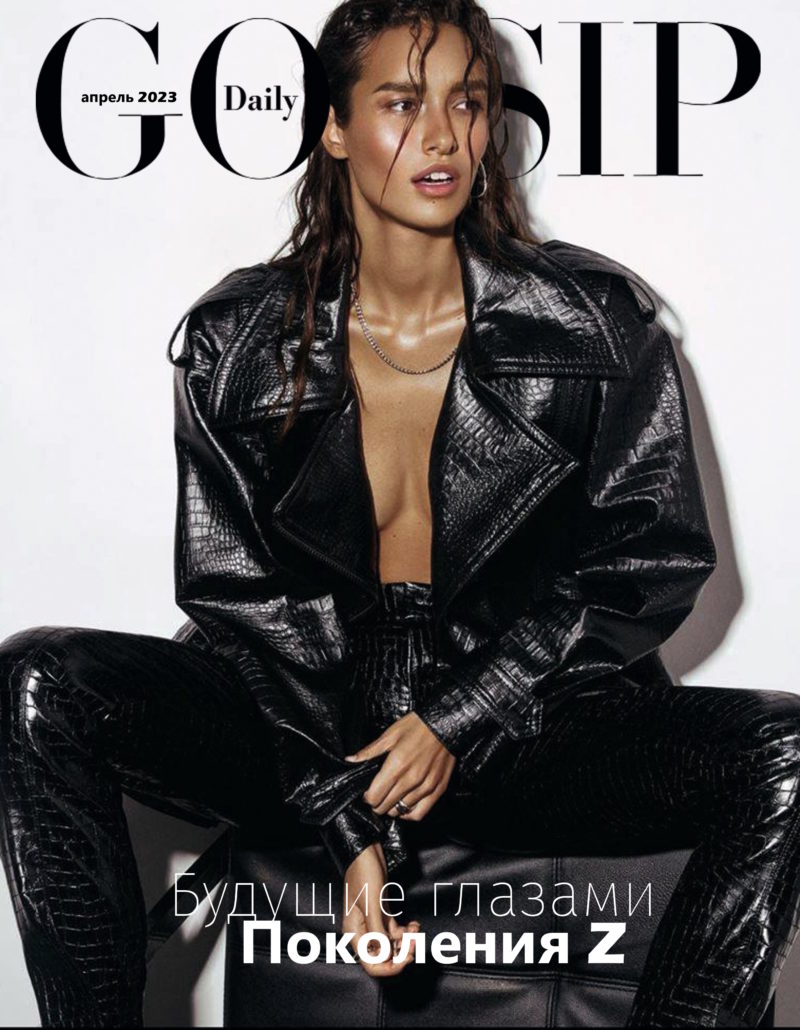
You have appeared on the cover of Forbes. What does this recognition mean to you?
— It is not about status. It is about confirmation that intellectual, cultural, and female-led business can be sustainable and meaningful. I see it as both responsibility and a point of growth.
You also have extensive experience in beauty pageants. How do you view this chapter today?
— It was an important stage of my life. I represented Russia internationally and placed in the top five at a competition in Asia. However, external beauty was never an end in itself for me. Intellect, contribution, and meaning have always mattered more.
What are your plans for the future?
— I plan to open an international digital art gallery, support young artists, and develop educational and charitable projects. My goal is to become a scout for new talents and to create platforms for their growth.
Maria Platonova Today
Today, Maria Platonova stands at the intersection of art, science, business, and the culture of the future. Her projects shape a new ethic of beauty, thinking, and responsibility—both personal and societal.