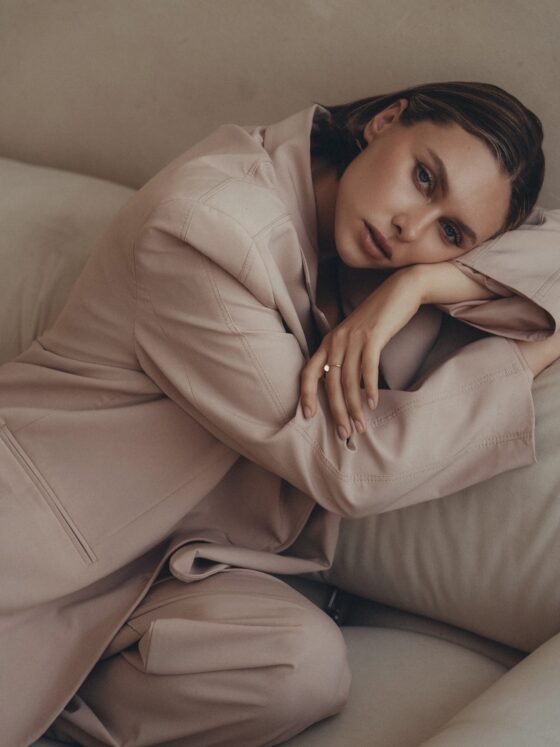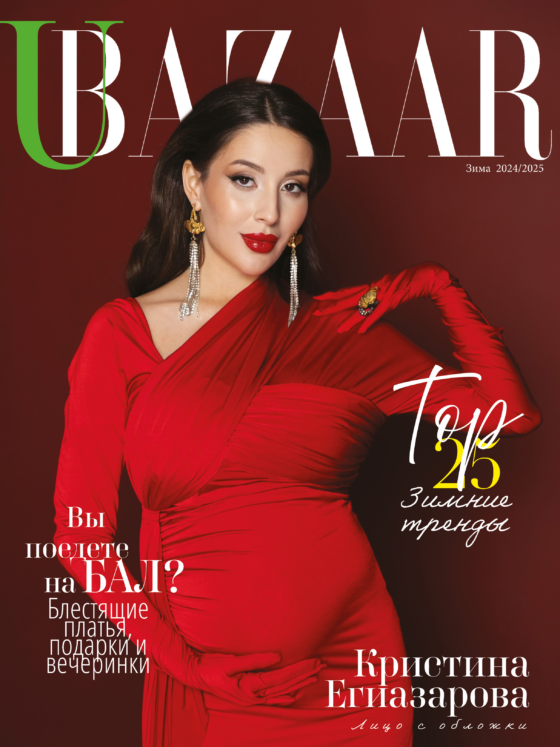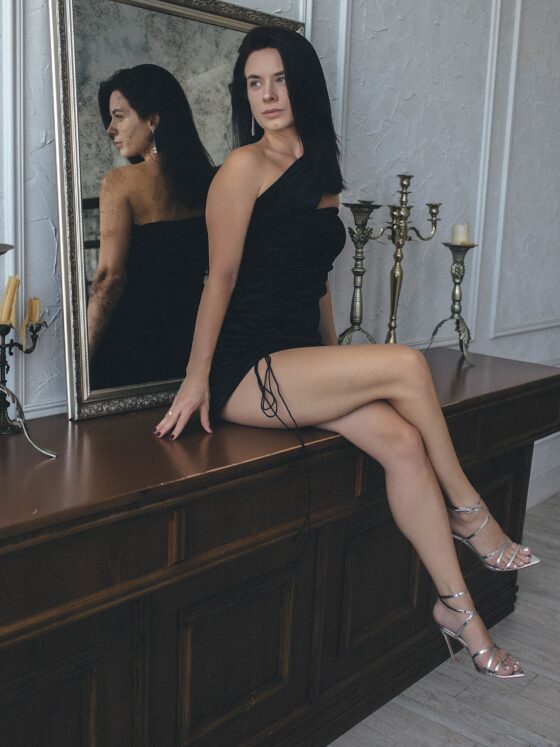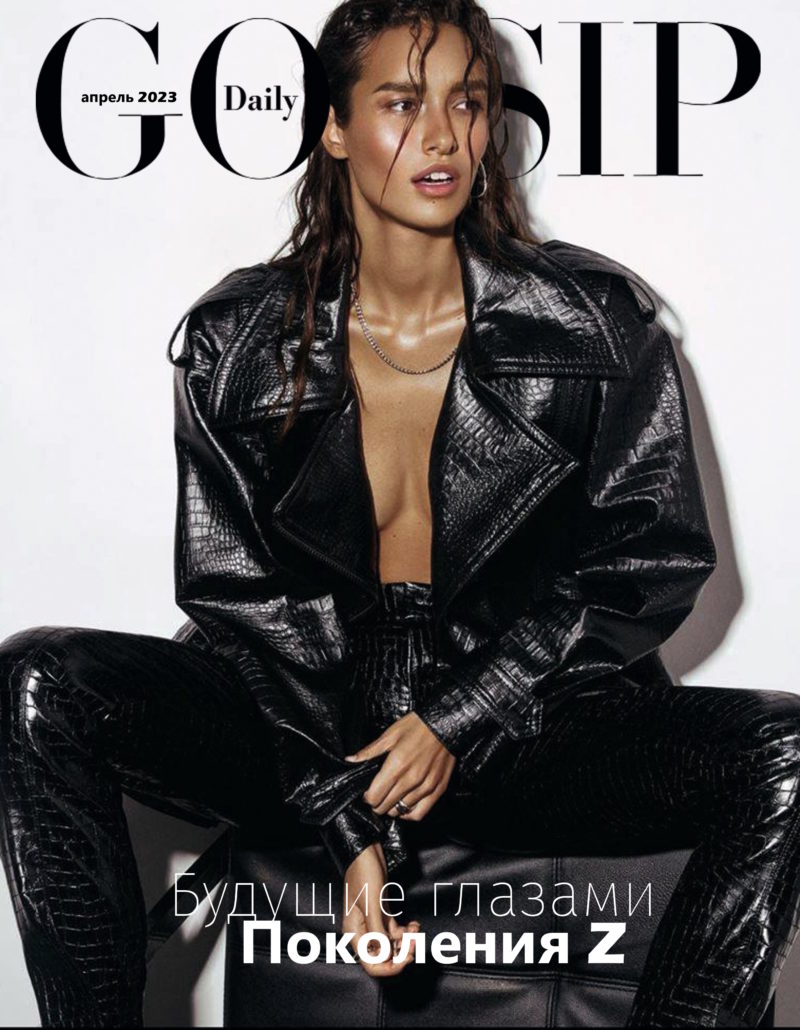
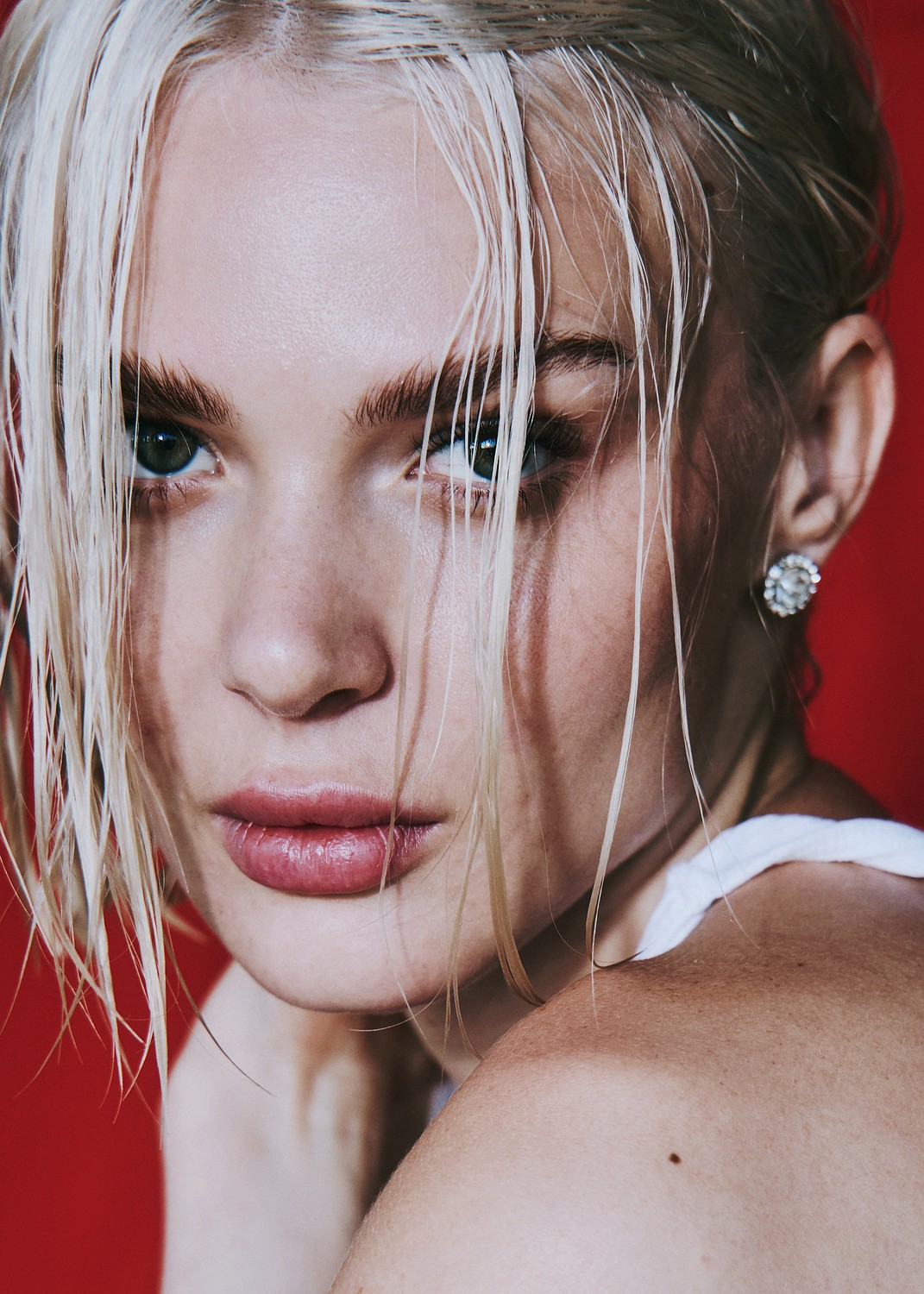
The career of Katerina Sparkish is a testament to how the boundaries of a profession can become a space for self-expression. Her biography includes the European runway, shoots in Milan, London, and Barcelona, campaigns for Zara, Diesel, Urban Outfitters, and Bershka — and then a transition to the international level: Rimmel London in New York, followed by Kylie Cosmetics, Makeup by Mario, Armani Beauty, NARS, and Too Faced.
Today, Katerina lives in New York, appears in Vogue, ELLE, Glamour, Dazed, collaborates with leading makeup artists, and becomes the face of campaigns where fashion speaks not only about beauty but also about meaning. Her blog is an intellectual space where philosophy meets aesthetics, and self-irony becomes a new language of influence.
Your path in the industry is a rare combination of endurance, discipline, and awareness. Looking back, which projects became not just jobs but personal milestones?
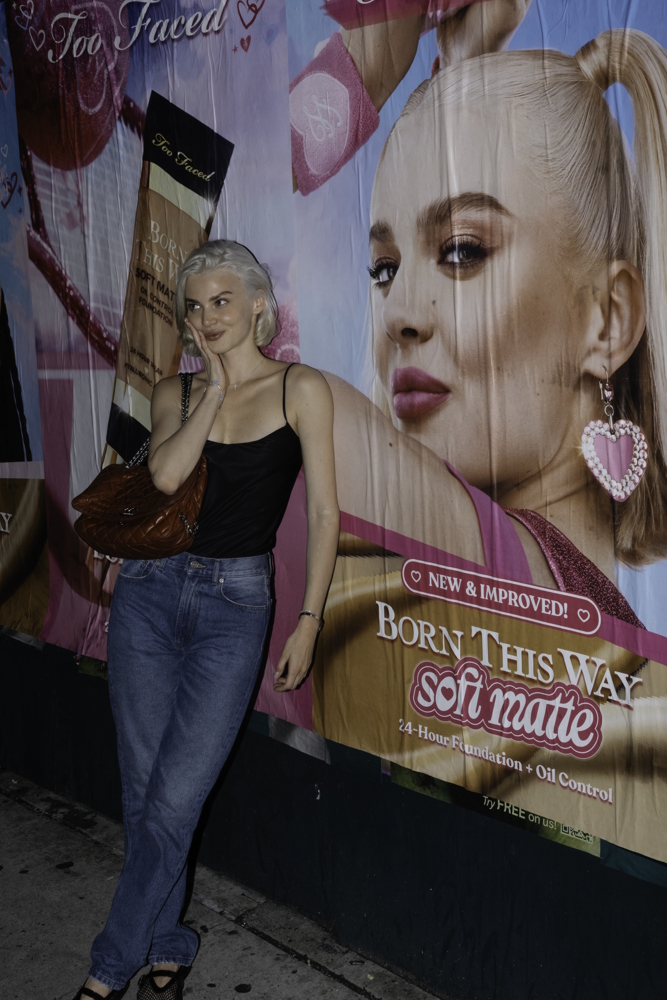
— I think every shoot leaves a trace — not only professionally but humanly. My path began in Europe, where everything was built on speed, competition, and the ability to work under any circumstances. Milan, London, Barcelona — cities where I learned to be precise, composed, and adaptable.
I shot for Zara, Diesel, Bershka, Urban Outfitters — and that gave me structure: the understanding that fashion isn’t just an image but an entire industry of labor and emotion.
When I first came to New York, my shoot for Rimmel London became the symbolic start of a new level. That’s when I realized I could be not just a model, but a person whose face and voice resonate together. In recent years I’ve worked with Kylie Cosmetics, Armani Beauty, NARS, MAC, Revlon, Makeup by Mario — and each collaboration became a step toward maturity, recognition, and inner freedom.
Your career surpassed the runway long ago. When did you first feel that your influence became part of a broader professional and cultural dialogue?
— It didn’t happen overnight. There’s a stage where you simply do the job — be the face, embody the brand’s idea. But at some point, communities form around you — makeup artists, stylists, photographers, artists — people who care not only how you look, but what you bring into the room.
Working with Mario Dedivanovic, Carolina Gonzalez, Bobbi Brown, Priscilla Ono — that’s recognition and responsibility. That’s the level where your presence shapes the mood of the campaign.
And of course, publications in Vogue, ELLE, Dazed, Glamour — those are not just pages, they’re a realization that your work has entered the cultural field. And when I saw myself on Times Square billboards, I simply smiled: “It seems New York has accepted me.”
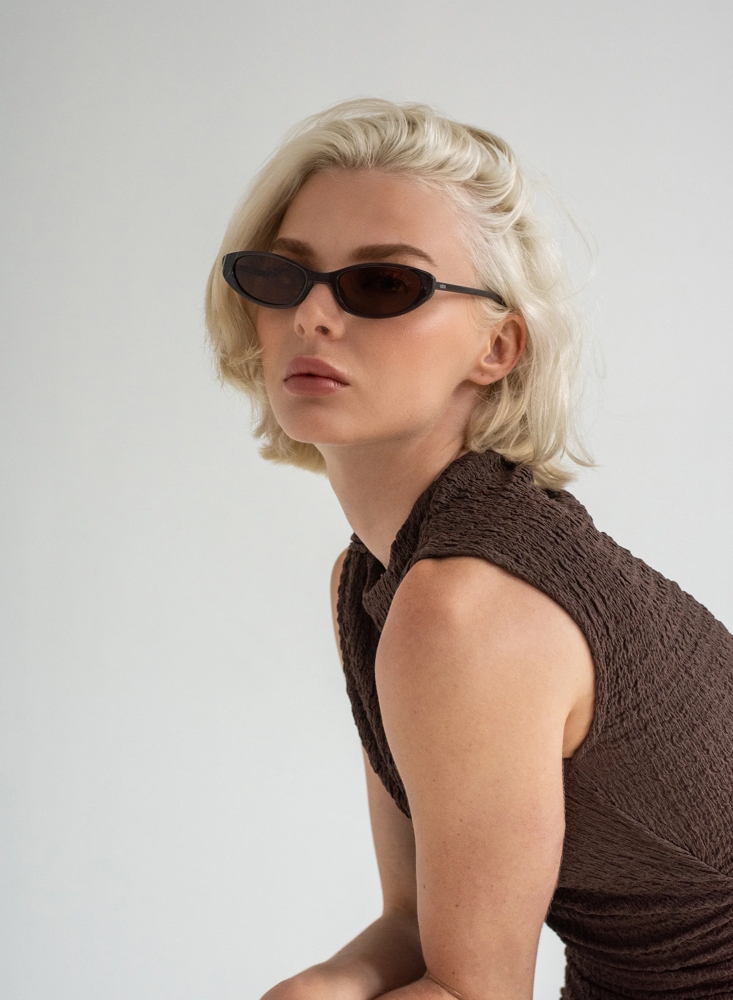
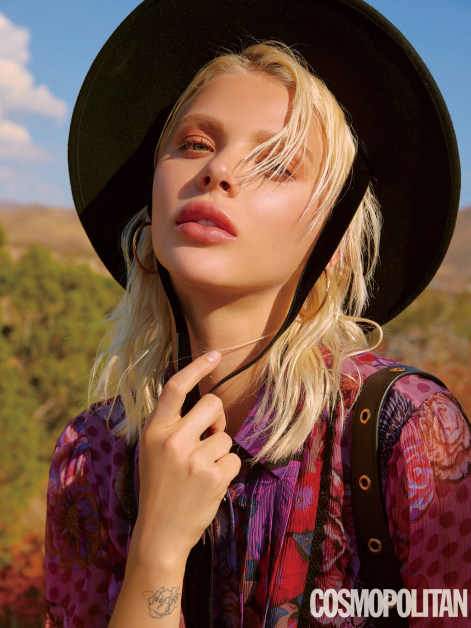
You’ve been part of dozens of campaigns, yet you’ve said that for you, the idea behind a project matters most. What makes a campaign truly meaningful?
— I need a project to have a mood, a story, an internal meaning. For example, shoots for Kylie Cosmetics and Makeup by Mario are not just visuals; they help create an aesthetic the industry then adopts. It’s like adding a new accent to the language of fashion.
Working with designer Jackson Wiederhoeft, a CFDA Awards nominee, was something special. His couture is performance, poetry, almost mythology. It creates space for creativity and emotions that can’t be faked. Those moments remind me that fashion can be art — alive, ironic, and profound.
Your visual presentation is genuinely distinctive. How did you develop your style, and what does having a “signature” in a frame mean to you today?
— It happened naturally. I never aimed to be “perfect” — I wanted to capture atmosphere, energy, a state of being. In every frame, I look not for a pose, but for a story.
Over time, my blog developed its own language — a fusion of fashion, philosophy, psychology, even economics, but always delivered with humor and awareness. I love when a visual becomes an intellectual game, when the viewer not only admires it but reflects on it.
My style is not about perfection, but sincerity. I believe beauty lives in imperfection, honesty, and the ability to speak to the world in your own language.
Today you’re an influencer with a large audience, yet you’ve preserved a personal tone. How do you build trust in a space where it’s so easy to lose yourself behind numbers and trends?
— For me, trust is the main currency. Yes, the audience grows — more than 150,000 new followers in recent months, millions of views on individual videos. But I try not to lose the sense of a “personal conversation.”
My Instagram (Meta, designated extremist in Russia) isn’t only fashion and shoots — it’s reflections on culture, psychology, perception. I think people feel that this is not a constructed persona but a real human being.
I believe the power of an influencer is not in reach, but in tone. When you speak sincerely, people hear not just words, but energy.
You’re often called a voice of the new fashion — at the intersection of aesthetics and intellectual expression. What does that mean to you?
— I love thinking that fashion has become a language of meaning. I went from a model at agencies like Next, Elite, Wilhelmina, Storm to someone who creates content that inspires others to think.
It’s important for me to be not only an image, but a voice. I talk about ideas, identity, the balance between beauty and awareness.
When my videos go viral, I realize: people want not only inspiration, but context. They want to understand, reflect, feel. And if I can serve as that bridge — then I’m exactly where I should be.
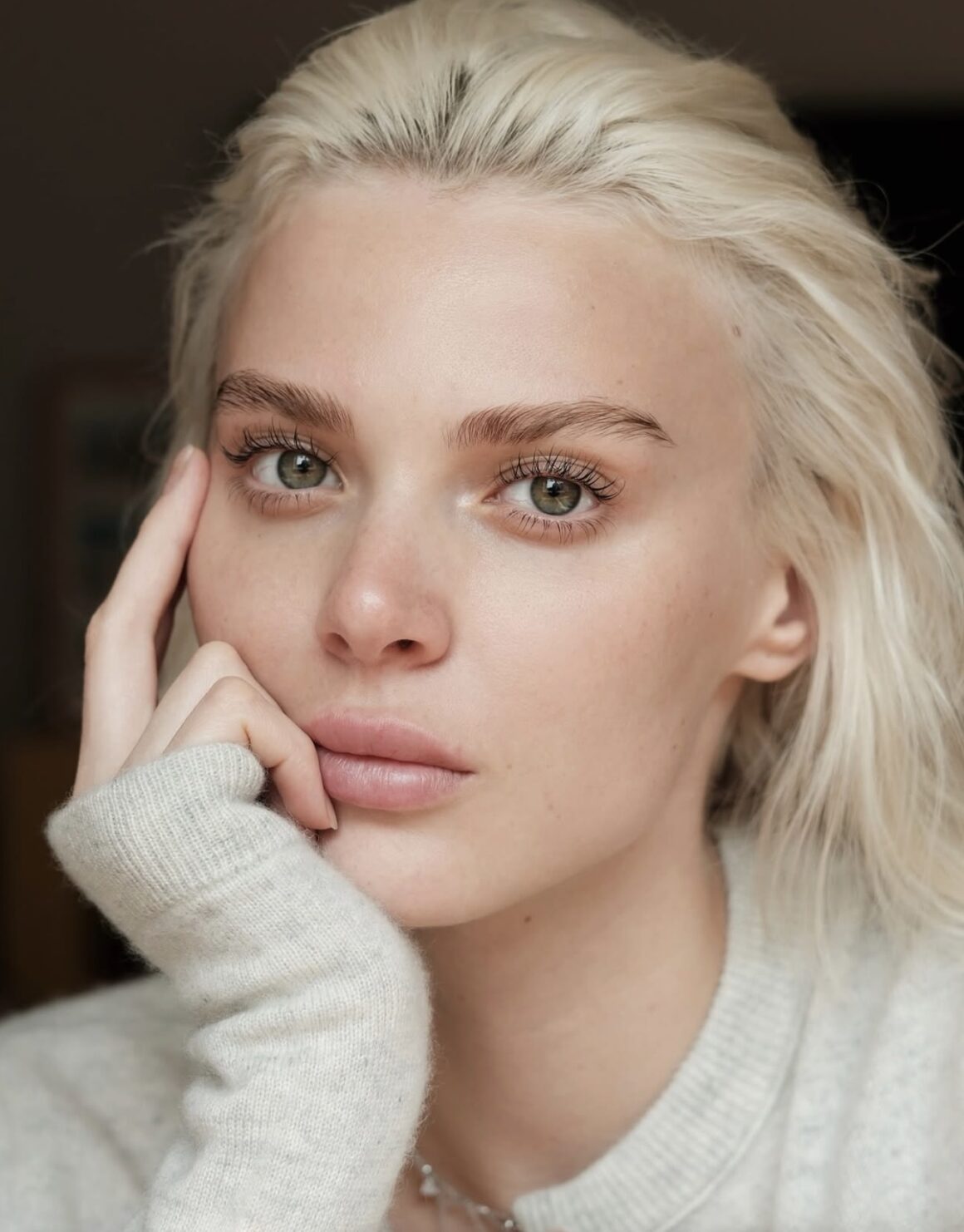
You’ve appeared in Vogue, shot for Guess, been compared to Pamela Anderson in the Daily Mail — a wide spectrum. What does recognition mean to you, and how do you measure it?
— Recognition for me is not an award but a sign that you’ve managed to convey an idea. Vogue is the peak of aesthetic evaluation — the highest league of professional respect.
Daily Mail and Guess belong to a different dimension — mass culture. I enjoy that contrast — being understood across audiences. It means you don’t just create an image; you engage with the world.
Recognition, for me, is when your work resonates with people — when you’re not just “on a cover,” but in someone’s thoughts and feelings.
Looking toward the future — what directions of growth matter most to you, inside and outside the profession?
— I’m moving in two directions. The first is professional: working with brands and creatives shaping the aesthetics of the future. The second is authorial: developing content that inspires and forms thinking.
I’m increasingly convinced that a 21st-century model is not just a face. She is someone who carries ideas, values, and the emotional tone of her era.
For me, it’s essential that behind beauty there is thought, behind style — philosophy, behind influence — meaning.
Your blog has already gone far beyond a personal diary. When did you realize your content had become part of a cultural conversation?
— It became obvious when people from completely different fields — actors, artists, politicians, philosophers — began writing to me, saying my posts or videos made them reflect.
I never planned to be “an inspiring author” — I simply did what resonated with me. And suddenly it resonated with others too.
Perhaps that’s the real mission — not just entertaining, but provoking thought, giving energy, unlocking inner doors.
Fashion today is a fast-moving field of shifting meanings. What helps you stay grounded and creatively energized?
— Curiosity. I learn constantly — from colleagues, photographers, makeup artists, young models just starting out. I exchange experiences, listen, observe.
The world changes quickly, and it’s important to stay flexible, not freeze in a single role. My blog taught me editing, storytelling, producing — being not only in front of the camera but also behind it.
I like to think that growth isn’t a goal but a way of life. As long as I remain curious — I keep growing.
Katerina Sparkish represents a new generation of the fashion industry, where visuality gives way to meaning. Her story is not about fame but about finding the delicate balance between aesthetics, intellect, and inner honesty. She is a model, a thinker, and a mediator between art and life. And perhaps this is the new formula of beauty: not perfection, but the ability to see deeper.